
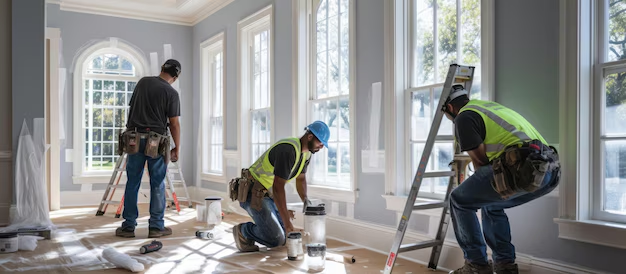

Starting a home renovation is an exciting journey, but success hinges entirely on thorough preparation and clear communication. Before any hammer is swung, having a detailed, structured conversation with your chosen contractor is non-negotiable. This initial discussion sets the stage for the entire project, ensuring alignment on vision, budget, and timeline. For San Diego homeowners, understanding the unique challenges—from coastal building codes to popular, high-value design trends—is crucial. This article outlines What You Should Know and discusses the critical talking points you must cover during your initial Renovation Consultation in San Diego, CA. Proper planning minimizes stress, avoids costly delays, and ultimately delivers the dream home you envision.
1. Define Your Vision and Scope of Work Clearly
The first and most important step is articulating your goals. Don’t assume your contractor can read your mind. Be specific about what you want to achieve with the renovation.
A. The “Why” Behind the Project
- Functionality: Are you renovating for more space (e.g., adding a room or expanding a kitchen) or better flow (e.g., knocking down walls)?
- Aesthetics: What specific style are you aiming for (e.g., contemporary coastal, Spanish colonial, modern farmhouse)? Share mood boards, Pinterest links, or magazine clippings.
- Value: Is the primary goal increasing the home’s resale value, or improving your personal quality of life? This distinction guides material selection and budget allocation.
B. Detailed Scope Breakdown Create a room-by-room or area-by-area list of everything to be changed. For example, instead of just saying “kitchen renovation,” specify: “Replace all cabinets, install a new center island, move the sink location, and replace lighting fixtures.” The more detailed your initial list, the more accurate the preliminary estimate will be.
2. Establish a Realistic Budget and Financial Boundaries
Financial clarity prevents the most common source of renovation stress: unexpected costs. This conversation must happen early and honestly.
A. The Total Project Budget Clearly state your maximum budget limit. A good contractor will work backward from this number, advising you on where to spend and where to save. Discuss how the budget is allocated: materials, labor, permits, and contingency.
B. The Contingency Fund For San Diego homes, especially older properties in areas like Point Loma or Kensington, unexpected issues (like outdated plumbing or structural surprises) are common. Always set aside 10% to 20% of the total budget as a contingency fund for unforeseen expenses. Discuss how this fund will be managed and approved for use.
C. Payment Schedule and Terms Agree on a clear payment schedule tied to specific project milestones (e.g., foundation complete, rough-in electrical approved, final inspection). Never pay the full amount upfront. Discuss policies regarding material price increases and change orders.
3. Navigate Permits and San Diego-Specific Regulations
San Diego County has strict building codes, zoning rules, and inspection requirements, especially near coastal zones (like in La Jolla or Coronado). Your contractor must be experienced in navigating these local specifics.
A. Permit Responsibility Confirm who is responsible for pulling all necessary permits (usually the contractor). Discuss the timeline expected for plan check and permit approval, as this often causes the first major delay.
B. Coastal and HOA Restrictions If you live in a coastal area, your renovation may be subject to the California Coastal Commission’s regulations. If your property belongs to a Homeowners Association (HOA), discuss their specific architectural review and approval process, which must be completed before construction begins.
C. Inspections: Review the inspection schedule and who will be present for each required sign-off by the City or County of San Diego inspectors.
4. Determine the Timeline and Communication Protocols
Clarity on the schedule is essential for managing homeowner expectations and planning your temporary living arrangements, if necessary.
A. Project Timeline Discuss the estimated start date, major intermediate milestones, and the targeted completion date. Be realistic; many variables (weather, inspections, material delivery) can affect the schedule. Ask for a realistic buffer time.
B. Material Procurement Discuss lead times for key materials. In a competitive market like San Diego, high-end materials often have long delivery waits. Agree on deadlines for you, the homeowner, to make final selections (e.g., tiles, cabinets, appliances) to prevent project stalls.
C. Communication Plan Establish a single point of contact (e.g., a Project Manager) and agree on the preferred method and frequency of communication (e.g., weekly on-site meeting, daily email updates). Discuss how emergencies or urgent questions will be handled outside of regular hours.
5. Discuss Logistics, Safety, and Site Management
A construction site in a residential area requires careful management to ensure safety and minimize disruption to neighbors.
A. Work Hours Confirm the crew’s standard work days and hours. In many San Diego neighborhoods, there are noise ordinances that restrict construction hours, particularly on weekends.
B. Site Access and Security Determine where workers will park, which bathroom facilities they will use, and how the team will manage key access and site security outside of work hours.
C. Dust and Debris Management Discuss dust mitigation strategies, especially for interior renovations. Ask about the plan for disposing of demolition debris and how frequently the site will be cleaned. Neighbors often appreciate knowing the plan for noise and disruption, which your contractor can help you communicate.
Conclusion
A successful San Diego home renovation is built on partnership. The initial Renovation Consultation in San Diego, CA is your opportunity to lay a solid foundation. By thoroughly discussing your vision, budget, local regulations, and logistics, you empower your contractor to execute the project efficiently and effectively. Remember, What You Should Know is that no question is too small—clear communication upfront is the best defense against disappointment down the line. Take your time during this crucial planning phase, and you will greatly increase the likelihood of achieving a stunning, on-budget transformation of your San Diego home.