
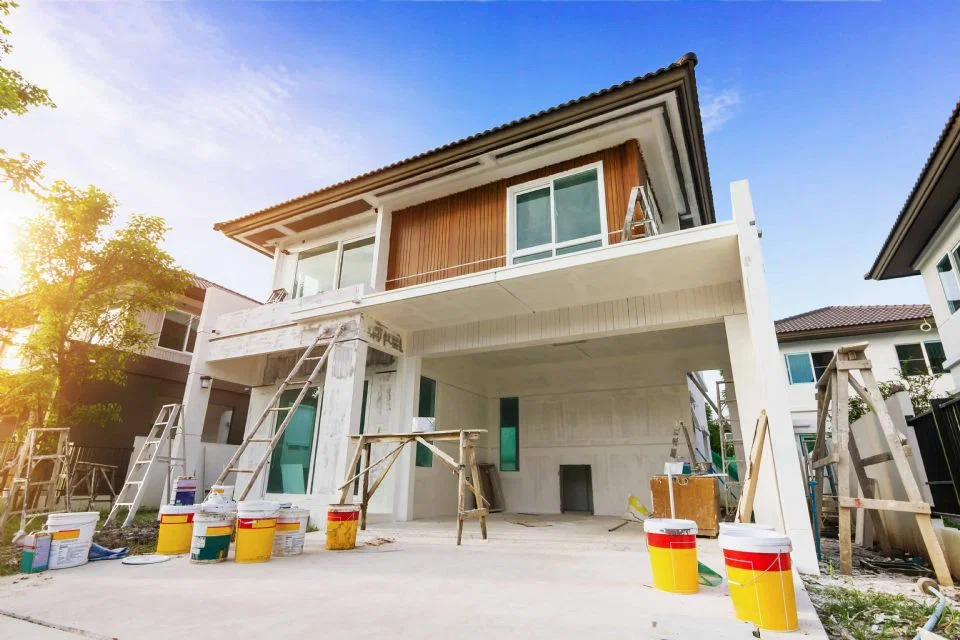

Embarking on a major home remodel in the beautiful, diverse neighborhoods of San Diego is an exciting venture. Whether you’re transforming a dated kitchen in La Jolla, adding a second story in North Park, or doing a full-home modernization in Coronado, preparation is the absolute key to a smooth, successful, and stress-free project. The journey starts long before the first wall is opened, often with a critical discussion about your vision and goals. For a truly seamless process, beginning with a specialized Renovation Consultation in San Diego, CA is often the single most valuable step you can take. What follows is a comprehensive guide to ensuring you are fully prepared for the complex but rewarding process ahead.
What You Should Know: Establishing Your Vision and Budget
The initial phase of preparation is introspection and planning. You need to clearly define what you want and, more importantly, what you can realistically spend.
Defining the Scope of Work
Start by creating a detailed wish list. Don’t just say “I want a new kitchen”; specify: “I want a larger island, commercial-grade appliances, quartz countertops, and a window moved to maximize natural light.” Be as specific as possible about the function and aesthetic goals for every room involved in the remodel.
- Prioritize: Separate your “must-haves” (structural necessities, accessibility) from your “nice-to-haves” (luxury finishes, high-end smart features). This is crucial for managing unexpected costs later.
- Timeline Reality: Understand that a major remodel can take anywhere from six months to over a year, depending on the scope, permitting requirements in San Diego County, and inevitable construction delays. Acknowledge this reality early on.
Setting a Realistic Budget
This is where many projects falter. In San Diego’s competitive construction market, costs can be high. Your budget must cover three major components:
- Hard Costs: Materials (lumber, tile, fixtures) and Labor (contractors, plumbers, electricians).
- Soft Costs: Architectural drawings, engineering reports, permit fees (which can be substantial in San Diego).
- Contingency Fund (Non-Negotiable): Always allocate 15% to 20% of your total budget for unexpected issues. In older San Diego homes (especially coastal ones), hidden damage (like water intrusion, termite issues, or unpermitted work) is common. Having this buffer prevents the project from grinding to a halt.
The Importance of Documentation and Permitting
San Diego County and its surrounding municipalities have some of the strictest building codes and permitting processes in the country, largely due to seismic concerns and environmental regulations. Proper documentation is not just a formality; it’s a legal requirement that protects your investment.
Architectural Drawings and Engineering
For any structural change, you will need professional architectural drawings. These plans become the blueprint for your contractor and the official document submitted to the city/county planning department.
- Due Diligence: Ensure your architect is familiar with the City of San Diego’s specific zoning laws, coastal regulations (if applicable), and setback requirements. This local knowledge speeds up the entire permitting timeline.
- HOA Review: If you live in a community managed by a Homeowners Association (HOA), your plans must often be approved by them before they can even go to the city. This can add several weeks to your pre-construction schedule.
Navigating the Permit Process
Permitting for a major remodel can take anywhere from six weeks to several months in the San Diego area. Be prepared for multiple revisions and submission cycles.
- Start Early: Do not wait until you’ve hired a contractor to start the architectural planning and submission process. This should run parallel to your contractor selection.
- Stay Legal: Never allow a contractor to begin structural work without an approved, posted permit. Unpermitted work can lead to massive fines, stop-work orders, and complicated legal issues when you eventually sell the home.
Choosing and Vetting Your Renovation Team
The people you hire determine the success of your remodel. Trust, competence, and chemistry with your General Contractor (GC) are paramount.
The Role of the Renovation Consultation in San Diego, CA
Before committing to a GC, you should schedule a dedicated design and construction consultation. This is your chance to vet their local expertise and assess their approach.
- Local Experience: Ask how many projects they have completed in your specific San Diego neighborhood. A contractor familiar with the nuances of historic Kensington homes versus modern Eastlake construction will anticipate problems others might miss.
- Detailed Scope Review: During the consultation, present your detailed scope and ask them to poke holes in it. A good contractor will point out potential budget drains or structural challenges you haven’t considered.
- Communication Style: A major remodel is a partnership. Choose a GC with a clear, prompt, and professional communication style. You will be talking to them almost daily for months.
Vetting and Contract Essentials
Once you narrow down your choices, thorough vetting is essential:
- References: Always contact at least three previous clients, asking specifically about their experience with communication, budget adherence, and cleanup.
- Licensing and Insurance: Verify that the contractor is properly licensed with the California Contractors State License Board (CSLB) and carries current liability insurance and Workers’ Compensation coverage.
- The Contract: Demand a detailed contract that clearly defines the scope, payment schedule tied to milestones (not calendar dates), change order procedures, and a clear warranty on their labor.
Preparing Your Home and Family
A major remodel is disruptive. Physical and mental preparation for the construction phase will significantly reduce stress on your household.
Creating a Temporary Living Plan
If you are renovating a kitchen or master bathroom, or undergoing a large addition, staying in the home may not be feasible or safe.
- Relocation: Plan to move out for the duration of the messy phases. Determine if you will rent a short-term apartment, stay with family, or use temporary lodging. Factor the cost of relocation into your overall budget.
- Containment: If staying, establish a “Construction Zone” with sealed plastic sheeting and dedicated entry/exit points to contain dust and debris.
Organizing Your Belongings
Everything in the area of the remodel needs to be moved and stored.
- Storage: Rent a portable storage container (POD) or an off-site storage unit. Label boxes clearly.
- Utilities: Plan for temporary utility shutdowns. You might lose water, power, or internet access during specific days. Discuss this schedule with your GC so you can plan accordingly.
By tackling these preparation steps—from the crucial planning stage and an insightful Renovation Consultation in San Diego, CA, to securing permits and vetting your team—you position yourself for a truly rewarding major remodel experience. You’ll move forward with confidence, knowing you’ve minimized the potential for costly surprises and are ready to create the San Diego home of your dreams.